
Architectural styleThe architectural style of the Christchurch Cathedral is Gothic Revival Architecture. Gothic Revival Architecture is the revival of Medieval Architecture. It enhances and displays many features of early architecture in its detailed appearance. Such features include stained glass windows, high arches, wooden ceiling beams and pitched roofs. This style of architecture began in the 2nd half of the 17th century. On the Cathedral Tower, this style is shown often topped with a spire, a prominent architectural feature. It housed bells and provided a vantage point for views over the city.

History
The Cathedral was designed by Sir Gilbert Scott and built between 1864 and 1904. It is an Anglican cathedral located in the central city. It was damaged from various earthquakes, but the 2011 earthquake damaged it the most. The Spire and the upper portion of the tower were severely damaged, along with minor damage to the rest of the cathedral. The cathedral was built based around the English Christ Church Cathedral in Oxford.
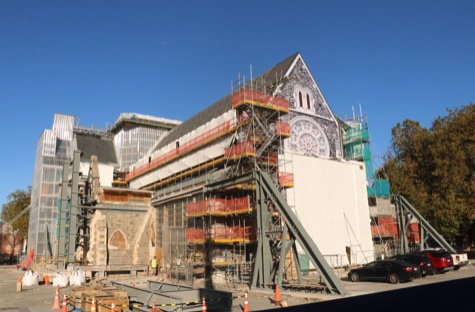
Structure
The original Christchurch Cathedral, completed in 1904, was built using various materials. Here are the primary materials used:
The cathedral is primarily made of timber. Timber was used extensively in the roof structures and interior fittings. Native New Zealand woods, such as kauri and rimu, were commonly used for beams, trusses, and interior paneling. The cathedral roof was originally covered with slate tiles, which were durable and provided weatherproof covering.
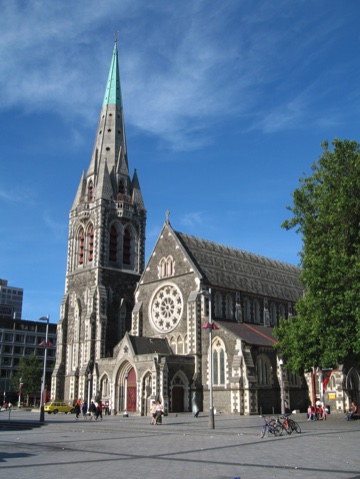
Metal was used in various structural and decorative elements, including the spire’s framework, roofing fasteners, and interior fixtures like candle holders and railings. Stained glass windows were a prominent feature of the cathedral, adding to its aesthetic and spiritual atmosphere. These windows depicted biblical scenes, saints, and symbols of faith.
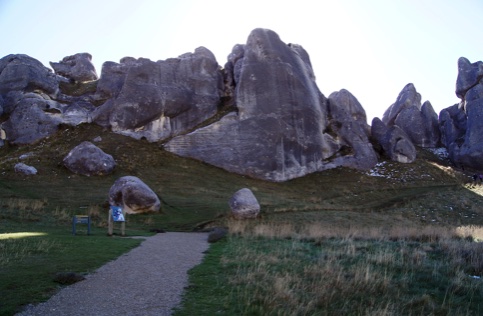
Another main material used in the construction was stone. Its exterior was primarily built with local basalt from the Port Hills and limestone from nearby quarries. The stone gave the cathedral its characteristic Gothic Revival style.
These materials were chosen for their durability, availability, and suitability for the Gothic Revival architectural style, which emphasized verticality, light, and ornate detailing.
Space:
The Nave was the central part of the cathedral where the congregation sat during services. It was a large, open space with high ceilings and stained-glass windows. The area around the altar at the eastern end of the cathedral was called the Chancel. This space was typically used by the choir and clergy during services. The area immediately around the altar, considered the most sacred part of the cathedral, was called the Sanctuary. It was often separated from the nave by a rail or screen. The arms of the cross-shaped (cruciform) cathedral, which intersected the nave at a right angle, were called the Transepts. They provided additional seating and could be used for smaller chapels or altars. The aisles were passages running parallel to the Nave, separated by columns. They provided additional seating. The Choir sat near the area between the Nave and the Sanctuary. There also was another smaller Chapel, made after the Virgin Mary, on the cathedral’s eastern side. Most baptisms happened near the entrance of the cathedral. The entrance of the cathedral provided a nice transition space between the outside and the Nave. Every one of these features was designed to support the needs of the congregation and the people that took part in it.